A field guide for Canadian business owners
The Will You
Think You Have
Why your wealth advisor should be reading your will, and what we find when we do.
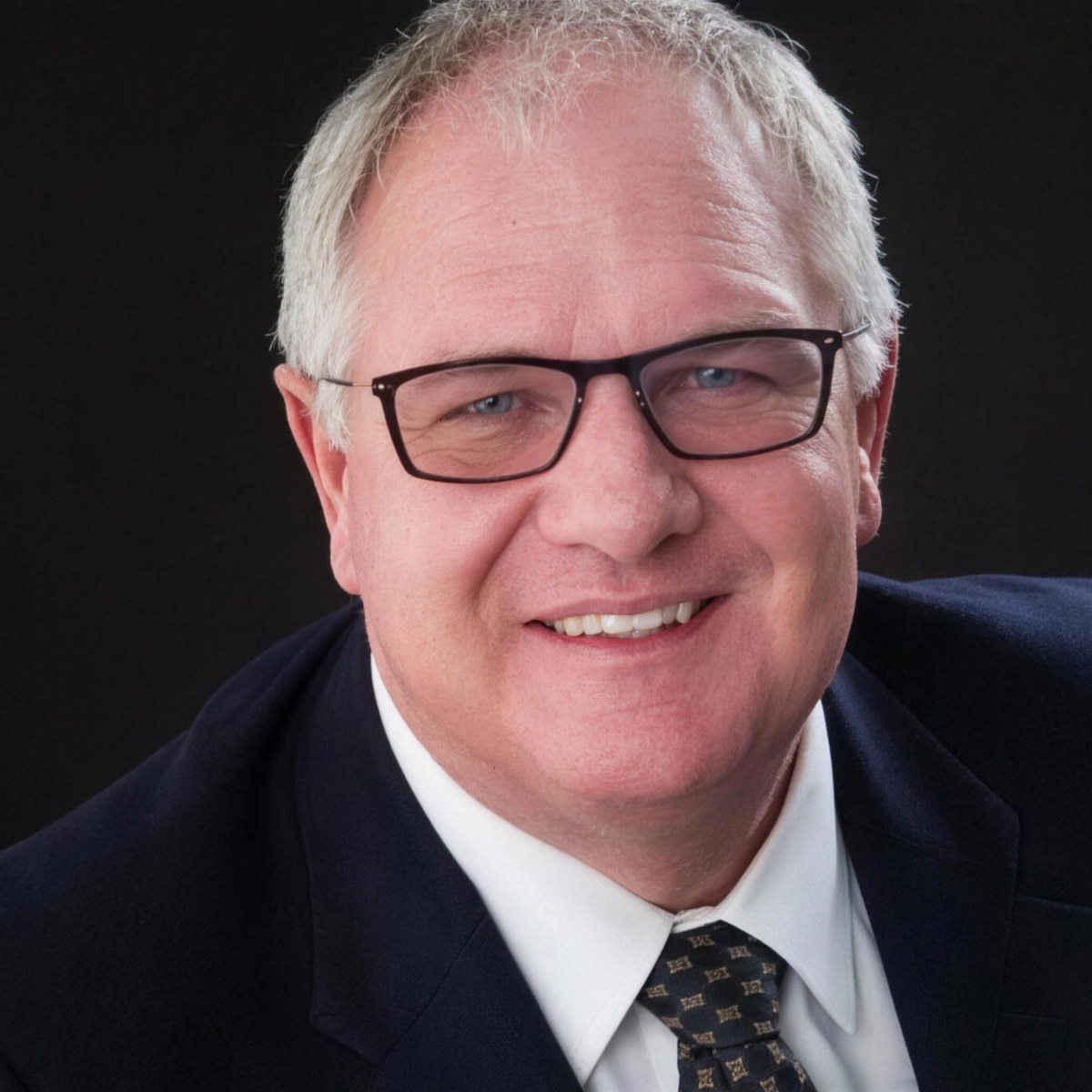
Neal Owen · President
Read
A field guide for Canadian business owners
Why your wealth advisor should be reading your will, and what we find when we do.
The will feels like the lawyer's department. It got drafted, it got signed, it went in the drawer. Most owners would never think to raise it with the person who manages their wealth.
In our practice we raise it first. Before we build anything, we ask a new client what their will says. Then we sit down and read the document itself, together. I would put it around eighty to eighty-five percent of the time, the two do not match. The will does not say what the owner believes it says.
Why does a wealth advisor care about a document a lawyer drafted. Because everything we plan lands through that paperwork. The sale of the business. The family meeting. Who gets the cottage, who gets the company, and why. We spend years getting those decisions right, and the will is where they either arrive intact or arrive as a surprise. No portfolio decision fixes a will that has drifted.
There's a discrepancy between what they thought they had and what they have.
I am Neal Owen. I work with Canadian business owners coast to coast, and generally speaking, the paperwork underneath the plan is where I have watched the most careful owners get caught out. Not on the investments. On the wills the investments will one day pass through.
of the time, the will does not say what the owner believes it says. Eighty to eighty-five percent, in our practice, over years of reading them.
Here is a pattern from forty years of watching sales go through. Estates don't usually shrink. They grow after a sale. People rarely spend all of it, and the growth on what is left keeps building the estate up over time.
Which means the will in your drawer is holding more every year, not less. The document you signed when the company was small is now the delivery mechanism for everything the plan produced. From my chair, a wealth plan and a stale will together are a job half done. We can get the structure right, the timing right, the family ready, and if the paperwork underneath has drifted, the whole thing lands somewhere nobody chose.
That is why we read it. Not to practice law. To make sure the plan we are building has somewhere true to land.
Succession planning for an owner has a corporate side and a personal side, and they are tied together. You can't do one independently of the other.
This is where the biggest gap I see lives. In Ontario an owner can hold two wills, one personal, one for the company. What we find is owners with multi-million-dollar holding companies carrying only a family will, and nothing on the corporation at all. Without throwing lawyers under the bus, a lot of them do not raise it. We have had clients go in, set up a brand new will, and still walk out with no will on the company.
Most people still do not understand a dual will.
How does a gap like this stay open? Each professional sees their own corner. The lawyer drafts what was asked for. The accountant does the year's tax. Nobody is standing where the corners meet, and the corners are exactly where an owner's money sits. This is the quarterback work I talk about, and it is the reason the gap gets caught in our office more often than anywhere else. Somebody has to be looking at the whole board on your behalf. The question worth taking to your own lawyer is plain. What is a dual will, and do I need one.
I sit across from families after a death. That is part of this work, and it shapes how I read paperwork the rest of the time.
What we find in the documents is beneficiaries who no longer exist, people who passed on years ago and were never taken off. Ex-spouses still named long after a divorce. Wills left untouched through a move, a marriage, a death in the family, and the owner sure the whole time it was current. A will drafted for one chapter of a life, waiting to be read out in another.
The plan we build together assumes the names are right. When they are not, it is not the advisor's spreadsheet the family argues over. It is the will. Once people understand why the decisions were made, a lot of the other issues disappear, and a stale document explains nothing to anyone.
Here is the part squarely inside my lane, because these are the accounts an advisor watches every day.
A TFSA pays the name written on its beneficiary form. So does an insurance policy. Those forms do not read the will, and they do not know your intentions. Someone passes, the survivor is distraught, and nobody deals with the beneficiary change. On TFSAs and on insurance, I have seen ex-spouses paid death benefits they were not entitled to. Lots of times.
Think about what that means for the plan. Years of work deciding who should receive what, defeated by a form nobody looked at since the account was opened. This is why the review belongs with the person who oversees the accounts, and not only with the lawyer who drafted the will. The lawyer never sees those forms. We look at them all the time. Right.
A drafting appointment checks the document. A planning conversation checks the life around it, and the life is where the surprises come from.
We have a client treated as a US citizen to this day because he was born across the border for a single day, while his mother was travelling. He never applied for any of it and never renounced it, when renouncing might have been the sensible move. That did not surface at a will signing. It surfaced because a planning conversation covers where you were born, where your spouse was born, and where the money will one day have to move.
Provinces work the same way. Wills vary from one province to the next, so a move can quietly change what your paperwork does. It could be a birthplace. It could be a move. It could be as simple as a marriage nobody updated the documents for. The advisor's job is to keep asking about the life, because the life keeps moving after the documents stop.
This is the review we do around the table. You can do most of it yourself in an afternoon.
Say what you believe the will does, out loud, before opening it. Then read the document against your own words. Mark every place the two part. That gap is the eighty to eighty-five percent.
Pull the beneficiary form on every registered account, every TFSA, every insurance policy. Confirm each name is the one you would choose today. The forms outrank the will.
If you own a company, take the plain question to your lawyer. Do I have a will on the corporation, and do I need a dual will.
Check the dates against your life. A will written before a marriage, a divorce, a birth, a move, or the company itself is a will worth re-reading.
If you or your spouse have any tie to another country by birth, ask whether it created a citizenship you never claimed.
The lawyer drafts it, and drafts it well. Our job is different. Everything we plan for passes through that document, so we read it the way an engineer checks the ground before building. What we find, eighty to eighty-five percent of the time, is a gap between what the owner describes and what the document says. Somebody has to check, and the person building on top of it has the most reason to.
Without throwing lawyers under the bus, each professional sees their own corner. The will gets drafted correctly on the day. Then the life moves, the accounts move, and no one appointment covers the whole board. The gaps live between the professionals, which is why the coordination matters as much as the drafting.
Generally the corporate will mirrors the personal side, and in my experience owners do not get the mirroring wrong nearly as often as they get the missing corporate will wrong. The usual gap is a will that does not exist, not two that disagree.
A will states what you decided. It does not update itself, and it does not control the accounts that pay a named beneficiary directly. Those pay whoever is on the form. Keep both current, and have one person who sees both.
A private second opinion on your exit, before the deal is on the table. No cost. No pressure. No obligation.
You walk me through where the business is and where you want to end up. No intake forms. No pitch.
A structured review of your exit readiness. Valuation, structure, succession, and what walking away comfortably looks like for you.
Keep your current adviser, go further, or use the document. No obligation at any step.

Neal Owen, President. BlueRock Wealth Management.